Wuyi Mountain origin, traditional black tea craft

武夷山高山、云雾、水源与生态茶园,为正山小种、野茶、老枞与千里香提供清晰的产地基础。

Origin

Qingheyuan Tea is based in Da'an Village, Yangzhuang Township, Wuyishan City, Fujian. The teas come from the Da'anyuan area of Wuyi Mountain, where high mountains, mist, clean water, and fresh air create a natural home for Wuyi black tea and wild mountain tea.

正山小种红茶是福建省特产,属于全发酵红茶。武夷山产区山高谷深,云雾缭绕, 昼夜温差大,生态环境相对平衡,为茶树自然生长提供条件。

Tea material

The catalog separates wild mountain tea, Lapsang Souchong, century-old bush black tea, and Qianlixiang because each material expresses the mountain differently: tender buds, one-bud leaf sets, old bush leaves, and high-aroma cultivar leaves each need their own treatment.

Master craft

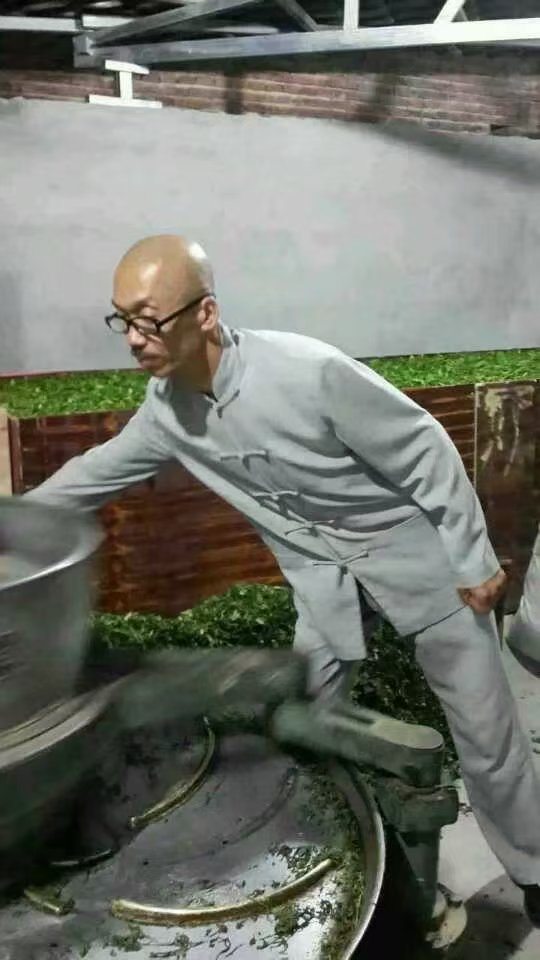
清和园茶叶由武夷山桐木村古王坑何志春大师亲自揉制、发酵、烘焙而成。 何大师凭借三十几年的产茶经验,用心做好每一粒茶叶。

Tea garden environment

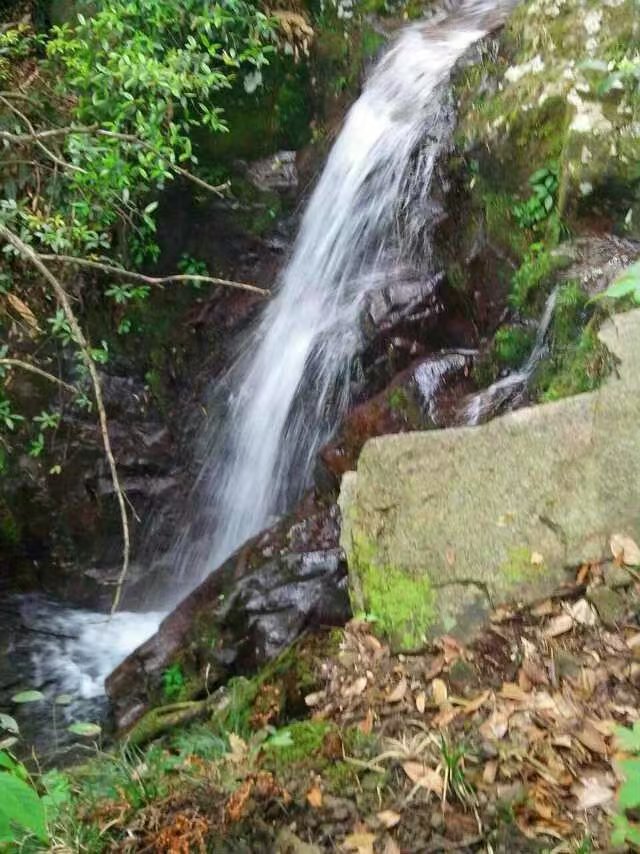
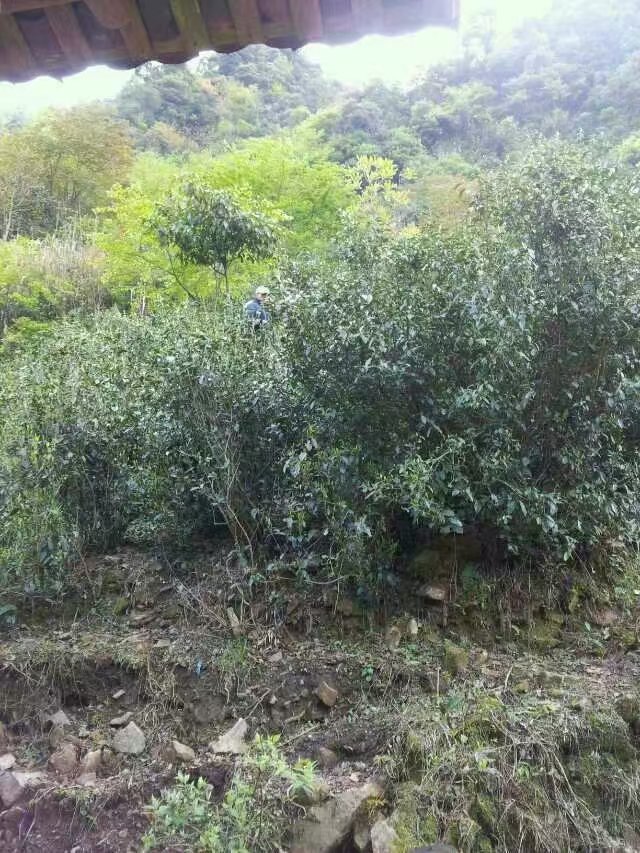
Mountain water, forest shade, and wild tea growth

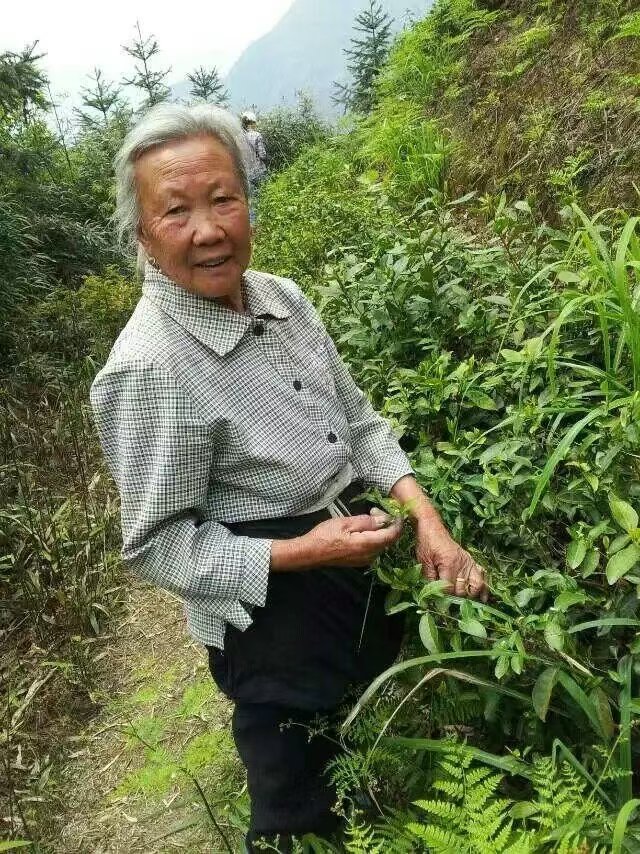
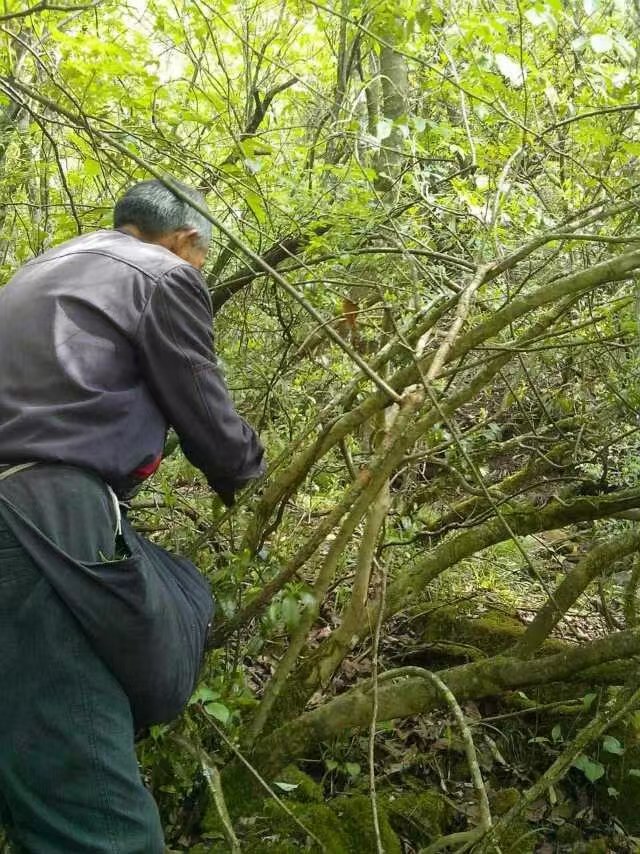
The environment photos support the brand's “山高、雾多、水甜、茶香” story with real scenes from the Wuyi mountain tea area.

Traditional process

From mountain leaves to finished tea

The process section stays concise for the first version, with room to add photos and deeper production notes later.

1

Picking

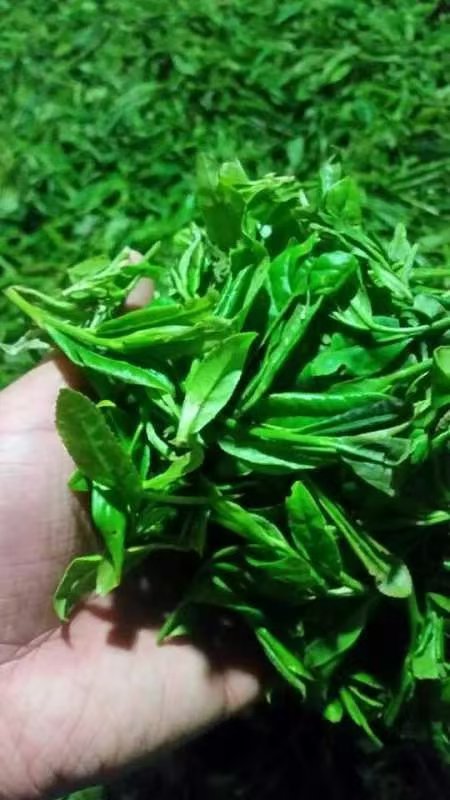
Fresh leaves are selected by tea type: buds, one bud with leaves, or old bush leaves.

2

Withering

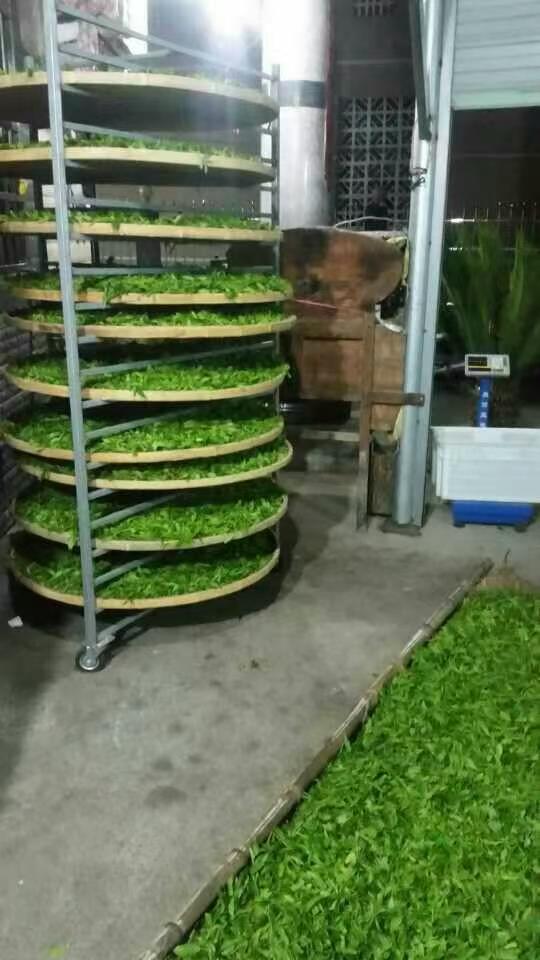
Leaves rest to reduce moisture and prepare the aroma for shaping.

3

Rolling

The leaf structure opens and the shape begins to form.

4

Fermentation

Color, sweetness, and black tea body develop under careful control.

5

Roasting

Final firing stabilizes aroma, removes roughness, and gives the tea depth.

Harvest

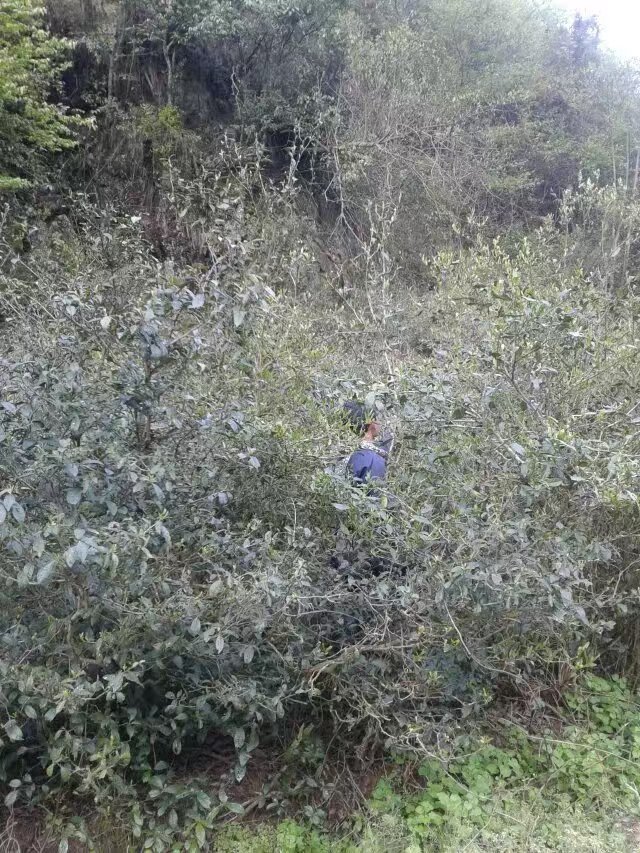
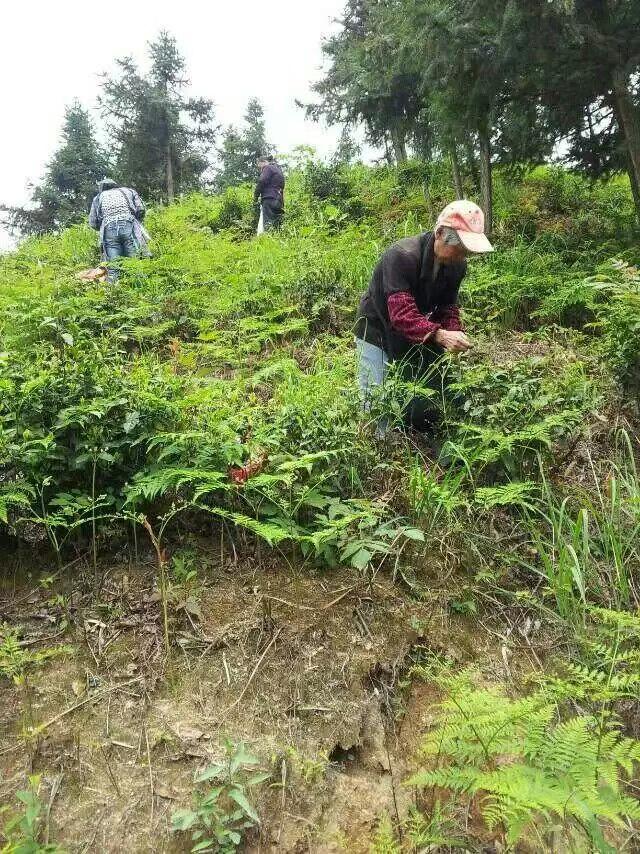
Hand-picked in the mountain garden

采茶图片呈现人工在山坡间选叶、采摘、收鲜叶的现场感。

Making

From fresh leaves to finished black tea

制茶图片补足萎凋、车间处理、制茶师经验与火候控制的视觉证据。

Video channel

Harvesting, tea making, and Wuyi tea knowledge in video

The Wuyi Tea House channel introduces Wuyi black tea through field picking, traditional processing, brewing notes, and everyday tea knowledge. It is a useful companion for readers who want to see the mountain garden and workshop details in motion.

武夷茶馆:采茶、制茶、武夷红茶知识视频

Watch YouTube Channel
Wuyi black tea workshop video preview Wuyi Tea House / @WuyiTeaHouse

Product culture

Eight infusions of Qingheyuan tea culture

清和园中之茶经久耐泡,八泡以上仍有余味。The following culture notes preserve the Chinese brand story while giving international readers a clear structure.

  1. 01

    Good Mountains Make Good Tea

    第一泡谓之好山出好茶

    The wild mountain tea is shaped by Wuyi's high valleys, clear liquor, quiet fragrance, and clean mellow taste.

    原生态野山茶又有“清雅韵味出高山,奇珍异草藏幽谷”的美誉。茶叶色泽乌黑,汤色清红明亮,具有独特暗香和清醇滋味。传统茶文化中常以清和、顺气、明目等语汇形容其饮后感受,其品质可与当前流行的金骏眉、银骏眉相媲美,堪称红茶之佳品。

  2. 02

    Fair Value For Good Tea

    第二泡谓之好茶价亦和

    Different prices come from picking time, picking cost, weight, and packaging, not from inflated storytelling.

    “不以成败论英雄,不以价格定茶叶”。茶叶价格的差异,来自采摘时间、采摘成本、重量、包装等因素。清和园秉承“拒绝暴利、良心利润”的观念,种植、生产、销售为一体,茶农直销,减少环节,做买得起、喝得踏实的放心好茶。

  3. 03

    One Natural Harvest Season

    第三泡谓之好茶纯天然

    The teas are harvested once a year around Qingming, when the mountain climate is cool and the leaves are tender.

    清和园茶叶全部产品全年只收一季,时间在清明前后半个月,气温约在10-20度之间。彼时山场清凉,茶叶鲜嫩,清和园坚持不做太多荣誉文章,实实在在做茶,让每一杯饮入喉肠的茶水,都包含真诚之心。

  4. 04

    No Good Tea Wasted

    第四泡谓之好茶不浪费

    A brand promise built around cherishing tea and reducing unnecessary stockpiling.

    我们“拒绝浪费、高价回收”。如果家中放置太多清和园茶叶,又喝不完,可向清和园咨询回收福建省武夷山清和园茶业有限公司售出的各类产品。我们希望每一泡好茶都不被浪费。

  5. 05

    Packaging With Less Waste

    第五泡谓之环保无污染

    The brand culture values practical packaging and encourages reuse or return of intact gift boxes.

    我们“拒绝污染、支持环保”。茶叶饮用之后,包装盒随意丢弃会对环境造成负担。清和园倡导回收福建省武夷山清和园茶业有限公司产品的无损包装礼盒,让礼盒回归使用价值。

  6. 06

    Transparent Inside And Out

    第六泡谓之表里皆如一

    A consistent numbering and pricing culture was designed to keep product information clear and traceable.

    清和园茶叶重视全国统一编号、统一售价与价格透明,拒绝坑蒙之意。原品牌文化中保留编号与价格查询机制;如需在海外展示中启用查询入口,可后续确认最新网址与规则后再补充。

  7. 07

    Tea For Everyday Wellbeing

    第七泡谓之红茶保健康

    Chinese tea culture links tea with meals, conversation, and daily wellbeing. This page presents that tradition as cultural context, not medical advice.

    中国有句俗话:“茶余饭后”,说明茶与饭、与日常生活分不开。闲时一杯茶,对朋而饮,是人生乐事。清和园以红茶的温润、香甜与陪伴感,表达饮茶养生、怡情悦性的传统观念;涉及具体健康问题,应以专业医疗建议为准。

  8. 08

    Tea Nourishes The Spirit

    第八泡谓之好茶养精神

    Harmony and stillness connect tea with Confucian, Buddhist, and Daoist culture.

    儒释道三教推崇“和、静”,恰与茶的禀性相契合。茶中蕴和,茶中寓静,茶道即人道,促进人与社会的和静、人与人的和乐;茶道亦是禅悟之道,也是“天人合一”与人自然和谐之道。清和园中之茶经久耐泡,八泡以上仍有余味,此中滋味,且待您细细品尝。

Need origin documents or sampling notes?

Use the contact page to request missing production details, photos, certificates, or package specifications.